

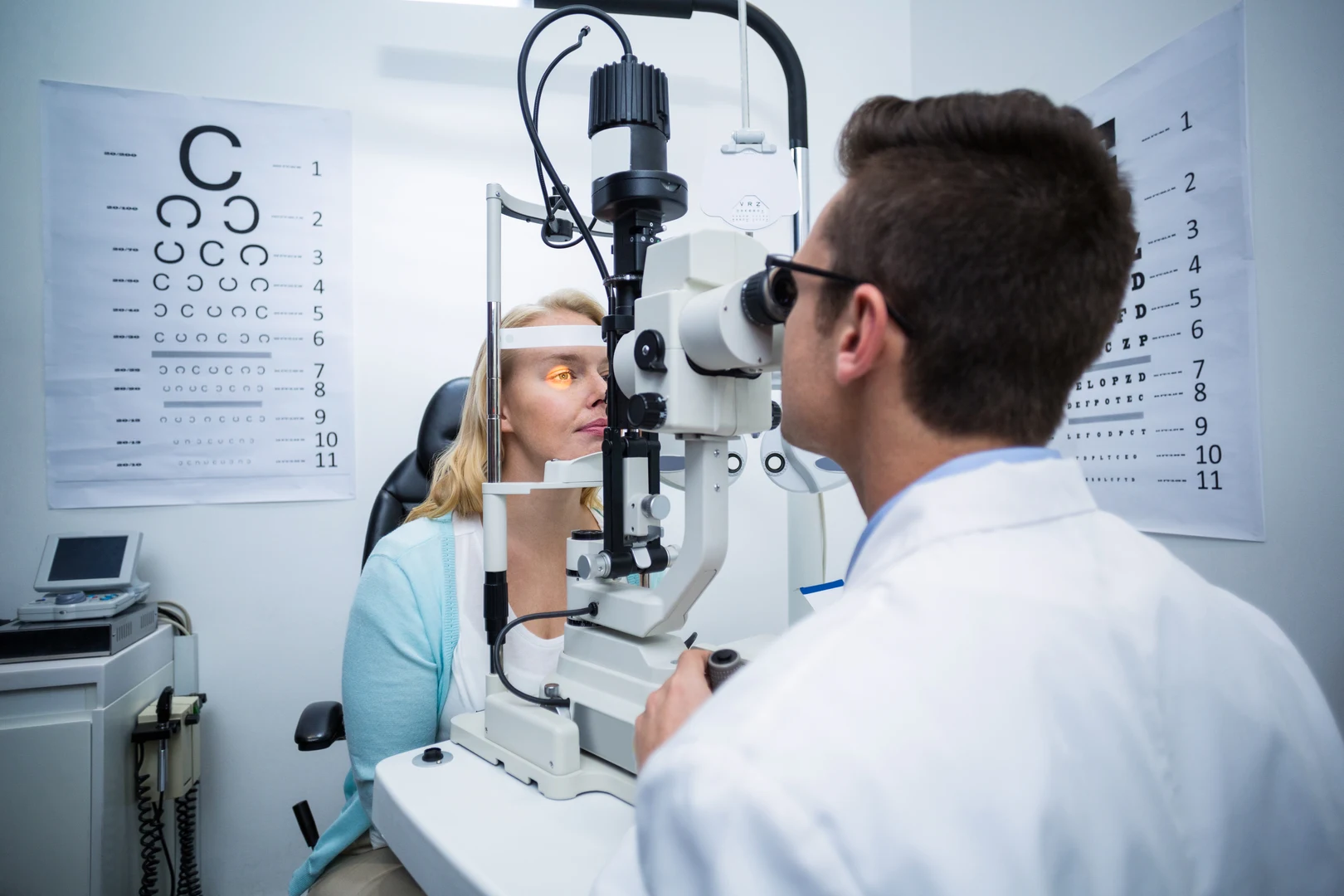
Clinical decision-making beyond biometry in modern refractive cataract surgery
Intraocular lens (IOL) selection has become one of the most strategic decisions in modern cataract surgery. While biometry provides accurate refractive targeting, it does not determine how a patient will perceive visual quality in daily life. The growing availability of monofocal, multifocal and extended depth of focus (EDOF) lenses has expanded therapeutic possibilities — but also increased complexity in patient counseling. Choosing the appropriate IOL profile now requires balancing optical physics, lifestyle priorities and tolerance to visual trade-offs.
What are the differences between monofocal, multifocal and EDOF lenses?
As stated in clinical literature published in Journal of Cataract & Refractive Surgery, patient selection remains critical when implanting presbyopia-correcting IOLs.
Optical trade-offs and patient perception
Each lens type presents predictable advantages and compromises:
Monofocal lenses
- High contrast
- Minimal halos
- Reliable distance acuity
- Glasses usually required for near
Multifocal lenses
- Greater spectacle independence
- Increased risk of halos
- Possible night vision disturbances
EDOF lenses
- Extended intermediate performance
- Typically fewer halos than multifocal
- May still require reading glasses in some cases
The challenge is not understanding these trade-offs clinically — it is ensuring that patients internalize them realistically.
Beyond biometry — perception matters
Biometric formulas predict spherical equivalent.
They do not predict satisfaction.
Surgeons must evaluate:
- Night driving habits
- Occupational visual demands
- Personality traits
- Tolerance to visual phenomena
- Desire for spectacle independence
Professor David F. Chang has repeatedly emphasized that appropriate patient selection is essential for success with presbyopia-correcting IOLs.
Expectation alignment becomes as important as optical design.
The role of visual simulation in IOL comparison
Traditional lens comparison relies on explanation. Simulation-based tools introduce experiential comparison. Pre-surgical visual simulation can help:
- Demonstrate depth-of-focus differences
- Illustrate dysphotopsia patterns
- Compare functional intermediate performance
- Support confident shared decision-making
When patients experience potential outcomes before surgery, decisional clarity improves.
Reducing dissatisfaction through structured lens selection
Postoperative dissatisfaction in premium IOL cases often arises when patients expected “perfect vision at all distances without compromise.” Structured counseling should clarify:
- No lens eliminates optical trade-offs
- Spectacle independence varies
- Neuroadaptation plays a role
- Lifestyle priorities influence success
Modern refractive cataract surgery requires communication precision equal to surgical precision.
Strategic positioning for innovative clinics
Clinics that incorporate structured IOL comparison frameworks and visual simulation differentiate themselves as:
- Technology-forward
- Transparent in counseling
- Patient-centered
- Precision-oriented
In competitive markets, expectation management becomes a strategic advantage.