
How visual simulation is transforming preoperative counselling in modern cataract and presbyopia care

Explore how eye care professionals around the world are integrating visual simulation into their clinical workflow to enhance preoperative counselling, improve patient understanding and support more personalized IOL recommendations.
Through real clinical experiences and practical insights, this section highlights how visual simulation can strengthen communication with patients, align expectations and create measurable value for both the clinic and the patient.

Access the latest advances in vision simulation and surgical planning
Submit your details below to connect with our team and gain access to the latest clinical evidence, research updates and expert insights:
2Eyes Knowledge Hub
Changing Practices
The evolving role of optometry in surgical pathways
Cataract surgery has become increasingly refractive in nature. Patients now expect visual performance aligned with lifestyle needs.
Optometrists are often the first to:
- Detect early lens changes
- Identify visual dissatisfaction
- Discuss lens options
- Address surgical concerns
- Guide expectations
As the World Council of Optometry states:
“Optometrists play a key role in delivering patient-centered eye care across the continuum.”

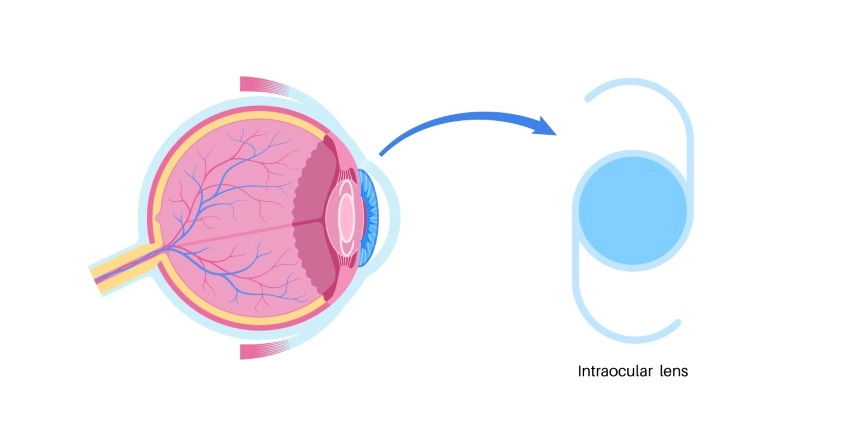
Understanding intraocular lens options
Modern IOL options include:
- Monofocal lenses
- Multifocal lenses
- Extended depth of focus (EDOF) lenses
- Toric lenses
Each lens involves visual trade-offs. Optometrists are uniquely positioned to translate these options into practical lifestyle implications for patients.
Pre-surgical expectation management
Expectation management is one of the strongest predictors of satisfaction after cataract surgery.
Visual simulation technologies help optometrists:
- Explain depth of focus differences
- Demonstrate potential night vision phenomena
- Structure lens comparison discussions
- Reduce anxiety before referral
By aligning expectations early, collaborative care improves.