

A practical guide to choosing the right IOL based on lifestyle, vision goals, and tolerance to visual trade-offs
One of the most common questions patients ask before cataract surgery is: “What is the best intraocular lens for me?”
The reality is that there is no single “best” lens for everyone. Modern cataract surgery offers multiple intraocular lens (IOL) options, each designed to address different visual priorities. The right choice depends on your lifestyle, expectations, and how you value clarity at different distances.
Understanding the strengths and trade-offs of each option is essential for making a confident and informed decision.
What is an intraocular lens and why are there different types?
An intraocular lens (IOL) is an artificial lens implanted in your eye during cataract surgery to replace the cloudy natural lens.
There are several main types:
-
Monofocal lenses
-
Multifocal lenses
-
Extended depth of focus (EDOF) lenses
-
Toric lenses (for astigmatism)
Each design distributes light differently inside the eye. This light distribution determines how clearly you see at distance, intermediate, and near — and whether visual phenomena such as halos may occur.
According to the American Academy of Ophthalmology, proper patient selection and counseling are critical to achieving high satisfaction with presbyopia-correcting lenses.
The “best” lens is the one that aligns with your expectations and visual needs.
Monofocal lenses: clarity and simplicity
Monofocal lenses focus at one primary distance, usually far.
They typically provide:
-
Excellent distance clarity
-
High contrast sensitivity
-
Minimal risk of halos
However, you will usually need reading glasses for near tasks.
These lenses are often preferred by patients who prioritize night driving quality and maximum optical stability.
Multifocal lenses: reducing dependence on glasses
Multifocal lenses are designed to provide both distance and near vision by splitting incoming light into multiple focal points.
They may:
-
Reduce or eliminate the need for glasses
-
Provide good functional near vision
But they can also introduce:
-
Halos around lights
-
Glare in low-light conditions
-
Slight reduction in contrast sensitivity
These trade-offs are important to understand before choosing this option.
EDOF lenses: a balanced approach
Extended depth of focus (EDOF) lenses create a continuous range of vision rather than distinct focal points.
They often provide:
-
Strong intermediate performance
-
Fewer halos compared to multifocal lenses
-
Reduced spectacle dependence
However, very small print may still require reading support.
EDOF lenses are often chosen by patients who want balance rather than maximum near independence.
What factors should guide your choice?
Choosing the best lens depends on:
-
How often you drive at night
-
How much you read or use digital devices
-
Your tolerance for visual phenomena
-
Your desire to reduce glasses
-
Your professional visual demands
No lens eliminates all trade-offs.
The key is understanding which compromises you are comfortable with.
Can I know in advance how I will see?
One of the biggest concerns patients have is uncertainty.
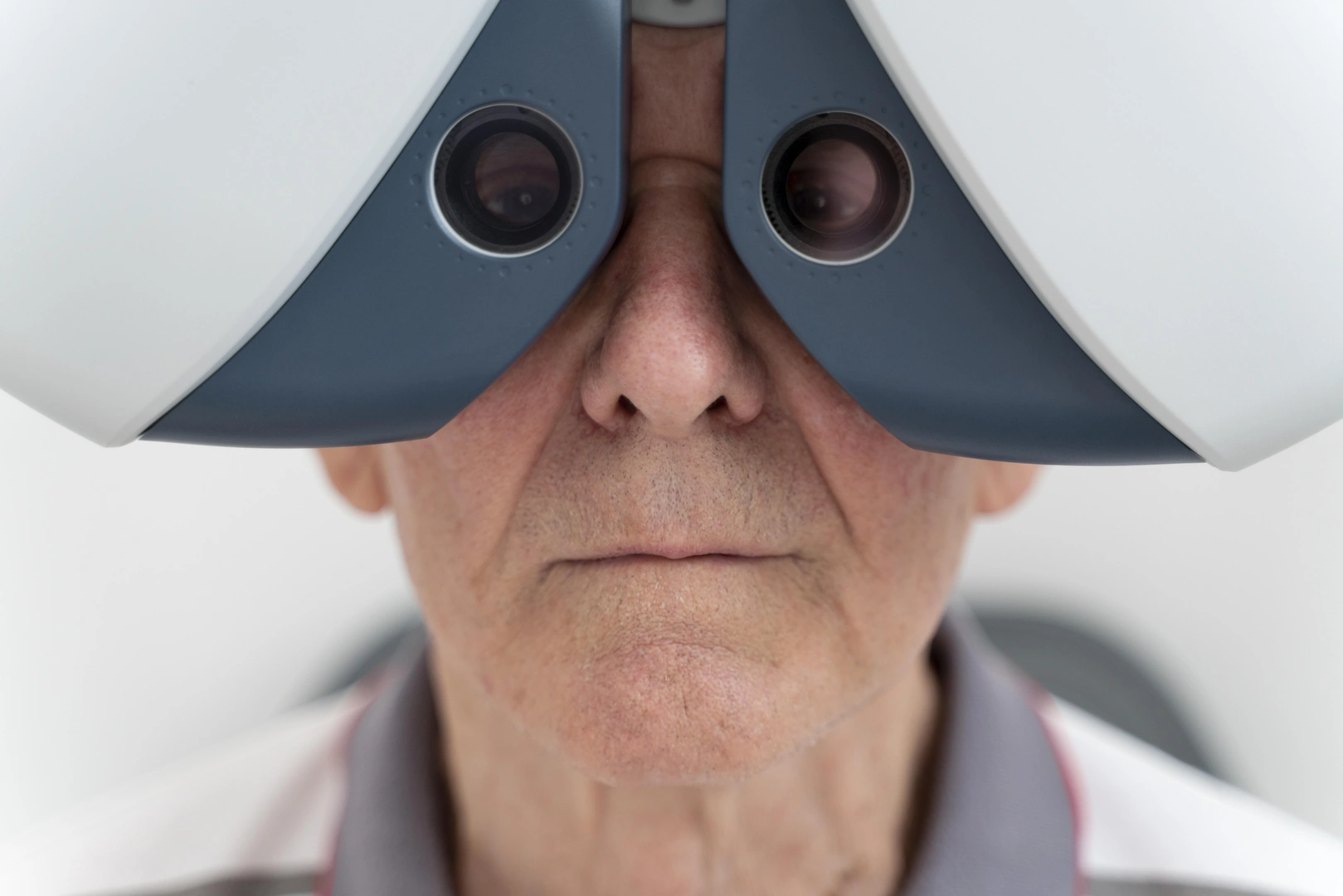
Modern visual simulation technologies aim to help patients experience how different lens types may affect their vision before surgery.
Simulation can support:
-
Better understanding of halos
-
Comparison between lens options
-
Greater decision confidence
-
Realistic expectation alignment
While no tool can perfectly predict perception, experiential insight reduces anxiety and improves satisfaction.
Is there really a “perfect” lens?
There is no universally perfect intraocular lens.
Each design optimizes certain aspects of vision while balancing others.
As research published in leading ophthalmology journals shows, patient satisfaction is strongly influenced by expectation alignment rather than refractive accuracy alone.
The best lens is the one that matches your lifestyle and expectations — not the one that promises the most features.