

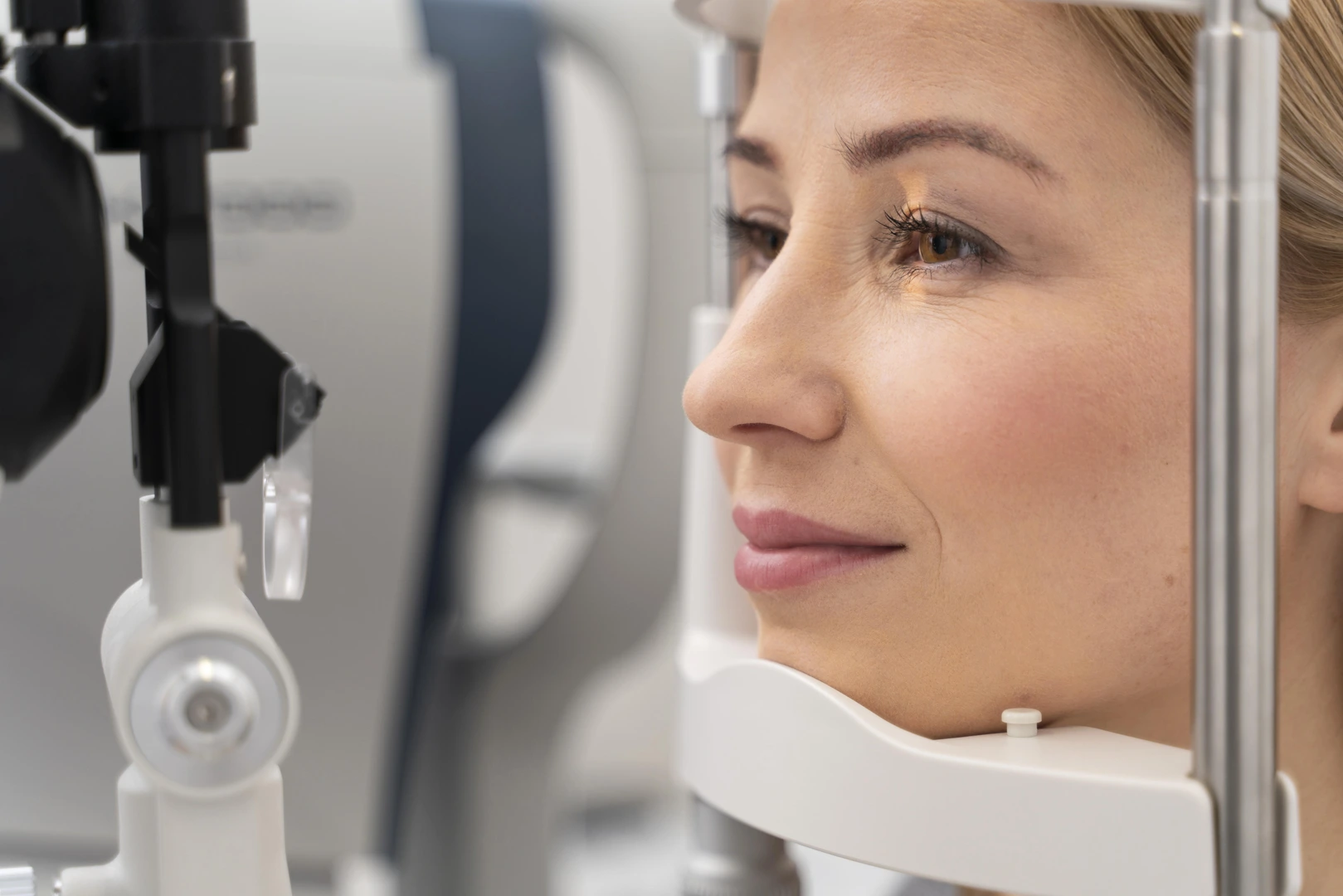
Moving from explanation to demonstration in premium IOL counseling and patient alignment
Refractive cataract surgery has transformed patient expectations. Today, achieving 20/20 vision is no longer the sole benchmark of success. Patients seek independence from glasses, high-quality night vision, and visual performance tailored to their lifestyle. In this context, shared decision-making (SDM) has become central to premium IOL counseling. The traditional model — where the surgeon explains and the patient consents — is evolving toward a collaborative approach in which understanding, expectation alignment, and experiential tools shape the final decision.
What is the role of the optometrist in intraocular lens decision-making?
Traditionally, intraocular lens (IOL) selection was seen as the sole responsibility of the surgeon. Today, refractive cataract care is more collaborative, and optometrists play a key role in the early stages of the patient journey. They are often the first to detect cataract progression and help determine the right timing for surgical referral based on visual needs and lifestyle impact. Optometrists also educate patients on IOL options, including monofocal, multifocal, and EDOF lenses, answering initial questions and clarifying visual outcomes. Importantly, they manage expectations around glasses independence and potential trade-offs such as halos or contrast sensitivity. By preparing patients before referral, optometrists ensure better understanding, alignment, and ultimately higher satisfaction after cataract surgery.
According to the World Health Organization, patient-centered care and informed participation improve satisfaction and adherence to treatment decisions. In premium IOL cases, SDM is not optional — it is essential.
The limits of traditional counseling
Historically, surgeons have relied on:
- Verbal explanations
- Printed diagrams
- Generic informed consent forms
However, subjective visual experiences such as halos or contrast reduction are difficult to conceptualize abstractly. Patients may understand intellectually — but not perceptually. This gap often leads to postoperative dissatisfaction. As published in Ophthalmology,
“Unmet expectations are a leading contributor to dissatisfaction in presbyopia-correcting IOL implantation.”
From explanation to demonstration
Modern SDM shifts from telling to showing. Demonstration-based counseling may include:
- Visual simulation tools: Experiential systems that replicate depth of focus and dysphotopsia patterns.
- Comparative lens discussions: Side-by-side explanation of monofocal, multifocal, and EDOF trade-offs.
- Expectation confirmation dialogue: Asking patients to articulate their understanding of potential outcomes.
When patients actively participate in the decision process, perceived control increases — and dissatisfaction decreases.
Psychological impact of shared decision-making
SDM supports:
- Greater trust in the surgeon
- Reduced anxiety before surgery
- Improved postoperative tolerance
- Stronger sense of ownership over the outcome
Professor David F. Chang has emphasized that patient selection and counseling remain the cornerstone of premium IOL success. Shared decision-making operationalizes that principle.
Clinical workflow integration
A practical SDM framework may include:
-
Lifestyle and visual demand profiling
-
Explanation of optical trade-offs
-
Experiential demonstration where available
-
Explicit confirmation of expectations
-
Final lens selection agreement
This structured pathway strengthens alignment between predicted outcomes and perceived results.
Strategic advantage in competitive markets
Clinics adopting structured SDM protocols differentiate themselves as:
- Patient-centered
- Transparent
- Technologically advanced
- Focused on long-term satisfaction
In refractive cataract surgery, communication precision is as critical as optical precision.